
Site Overlay

Economy and Society

Moving Forward Together

About us

Coe-llc is a blogging website that shares ideas related to the Economy and Society. The economy and society are deeply interconnected, shaping how people live, work, and interact.

The key idea that guides us at COE LLC is the fact that a global economy and human society cannot be separated. We close the divide between social responsibility and economic innovation to make sure that progress is benefiting the people, communities, and the planet. COE LLC is a strategic consultancy and research-based organization. It has brought together economists, policy experts, and social thinkers whose vision is a common one. That vision is to develop sustainable systems that empower societies in transition.

Our Focus  

Here at COE LLC, the following are our main priorities:

Intersection of Economy and Society

All our decisions portray the interdependence of markets and humanity. COE LLC looks at holistically development as it analyzes post-pandemic economic changes to the cultural narratives of indigenous wisdom and prophetic traditions. In our opinion,

real growth is not only based on financial well-being, but also cultural maintenance, moral government, and human stability.

Creating a Better Future

COE LLC is adherent to the idea of meaningful dialogue and international cooperation. With the help of our initiatives, decision-makers understand that the only way to have a sustainable economy is to have a healthy, inclusive, and future-ready society.

https://coe-llc.com

The Relationship Between Economic Growth and Social Development

Economic growth and social development (improvements in education, health, equality, and quality of life) are closely connected. However, growth does not always guarantee development—it depends on how resources are distributedContinue readingThe Relationship Between Economic Growth and Social Development


.

Recent Stories

How Consumer Behavior Reflects Social Values

Consumer behavior is not only about buying products—it also mirrors what people in a society value, believe in, and prioritize. The way people spend money often reflects cultural norms, moralContinue readingHow Consumer Behavior Reflects Social Values

Social Development Driving Growth

Education & Skills – A more educated workforce leads to innovation and productivity. Healthcare – Healthy populations are more productive and resilient. Gender Equality – Women’s participation in the economyContinue readingSocial Development Driving Growth

The Informal Economy Opportunities and Challenges

The informal economy refers to economic activities that are not regulated by the government, often untaxed and unmonitored. Examples include street vendors, small-scale home businesses, day labor, or gig workContinue readingThe Informal Economy Opportunities and Challenges

Globalization and Its Impact on Local Communities

Globalization refers to the increasing interconnectedness of economies, cultures, and societies through trade, technology, migration, and communication. While it brings opportunities for growth and cultural exchange, it also poses challengesContinue readingGlobalization and Its Impact on Local Communities

From The Blog

Featured

Building Singapore’s Future: How Tengah Garden Residences Location Anchors Societal Well-Being in a Growing Economy

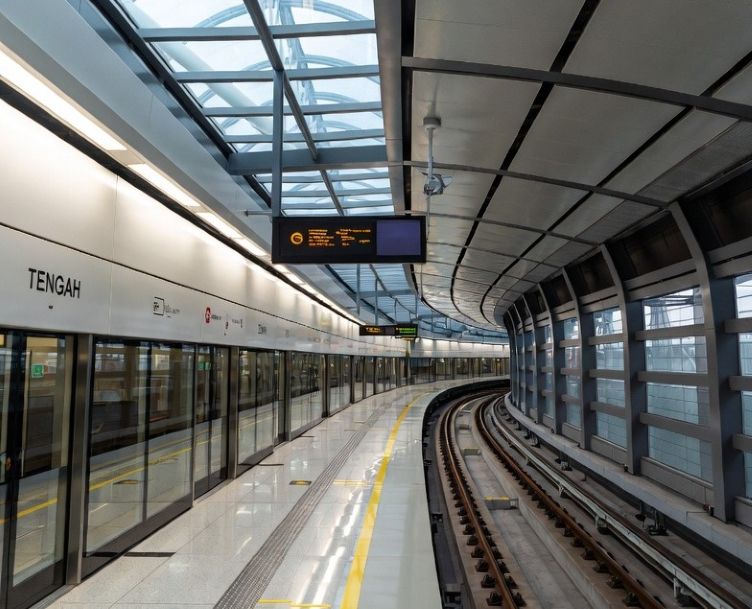
MRT station connecting Tengah to the rest of Singapore

Singapore has consistently ranked among the world’s most liveable cities, thanks to its careful urban planning and commitment to sustainability. The development of Tengah Garden Residences is a prime example of how housing projects are designed to serve more than just financial or real estate goals. They are built to strengthen social bonds, encourage sustainable living, and support the nation’s economic transformation.

The Tengah Garden Residences Launch highlights how location and design can influence community well-being. Situated within Singapore’s newest town, Tengah, the residences are part of a larger vision to create a green, connected, and inclusive urban environment. This is not just about building homes, but about shaping a lifestyle that aligns with the country’s long-term growth strategy.

Urban Planning and the Social Fabric

Urban planning in Singapore has always been about more than infrastructure. It is about creating spaces where people can thrive together. Tengah Garden Residences sits within a town designed with green corridors, community hubs, and mixed-use developments. These features encourage residents to interact, share resources, and build stronger social ties. When people feel connected to their community, societal resilience grows, and economic participation becomes more inclusive.

Community spaces, such as parks and recreational areas, are not just amenities. They are vital to mental health, family bonding, and neighborhood identity. By embedding these elements into the design, Tengah Garden Residences ensures that residents enjoy a balanced lifestyle that supports both personal well-being and collective growth.

Accessibility and Economic Participation

Location plays a crucial role in how people engage with the economy. Tengah Garden Residences benefits from excellent connectivity, with planned MRT stations and road networks linking residents to key employment hubs. This accessibility reduces commuting stress and opens opportunities for more people to participate in Singapore’s dynamic economy.

When housing developments are well-connected, they empower residents to pursue careers, education, and entrepreneurship without being limited by geography. This strengthens the workforce and ensures that economic growth is shared across different communities. Accessibility is not just about convenience, it is about enabling participation in the nation’s progress.

Sustainability and Community Well-Being

Sustainability is at the heart of Tengah’s design. The town is envisioned as Singapore’s first “forest town,” with eco-friendly features such as smart energy systems, car-free zones, and extensive greenery. Tengah Garden Residences integrates these principles, offering residents a healthier environment and reducing the ecological footprint of urban living.

Green corridors and eco-friendly infrastructure encourage walking, cycling, and outdoor activities. This promotes healthier lifestyles while reducing reliance on cars. Sustainable housing also lowers utility costs, making living more affordable in the long run. By aligning environmental goals with social needs, Tengah Garden Residences demonstrates how sustainability directly benefits community well-being.

READ ALSO: The Relationship Between Economic Growth and Social Development

Inclusive Urban Growth

Singapore’s economic transformation depends on inclusive growth, and housing developments like Tengah Garden Residences play a crucial role. By offering diverse housing options and integrating community facilities, the project ensures that people from different backgrounds can live, work, and grow together. Inclusivity strengthens social cohesion, which in turn supports stability and long-term prosperity.

Mixed-use developments, where residential, commercial, and recreational spaces coexist, create vibrant neighborhoods. They reduce the need for long commutes and encourage local businesses to flourish. This model of urban growth ensures that economic benefits are distributed more evenly across society.

Conclusion

Tengah Garden Residences is more than a housing project. It is a cornerstone of Singapore’s vision for a sustainable, inclusive, and resilient future. By combining thoughtful urban planning, strong connectivity, and eco-friendly design, it anchors societal well-being in the midst of economic transformation. As Singapore continues to grow, developments like Tengah Garden Residences will remain vital in ensuring that progress is shared across communities and generations.

The success of the Tengah Garden Residences Launch shows how housing can be a powerful tool for shaping society. It is a reminder that economic growth and social resilience are deeply connected, and that the future of Singapore lies in building communities that thrive together.

How JobForSA Employment Resources Influence Economic Participation

Labor markets grow stronger when people can find work that matches their skills and goals. According to the World Bank, higher employment participation is closely tied to improved household income and long-term economic stability. Access to guidance, tools, and reliable information plays a direct role in whether individuals can enter and remain active in the workforce.

For many job seekers, the challenge is not motivation, but direction. This is where employment resources offered by platforms like JobForSA make a difference. By organizing job listings, career advice, and application guidance in one place, JobForSA reduces confusion and helps people focus on meaningful opportunities rather than guesswork.

Clear Pathways Encourage Workforce Entry

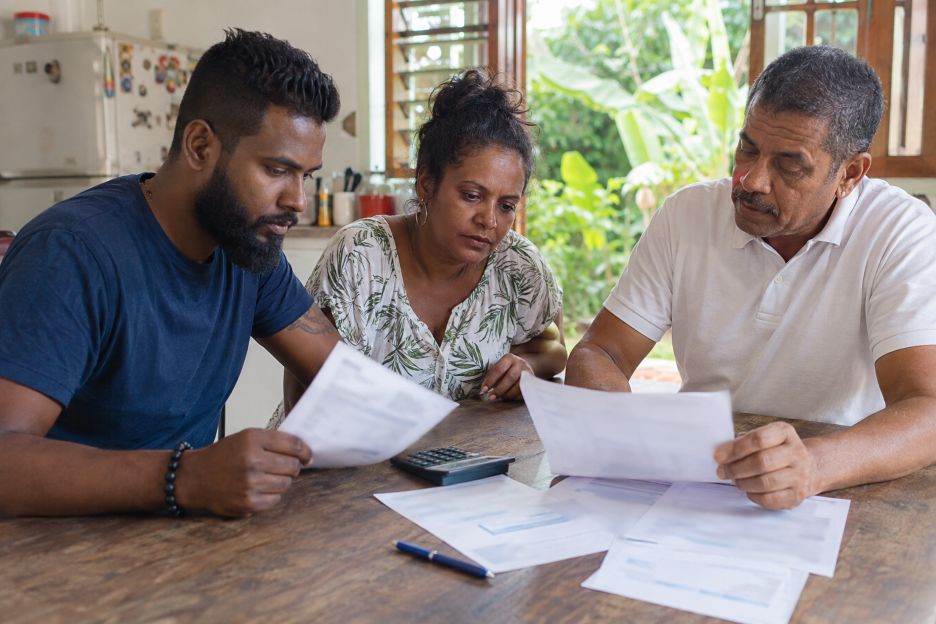
professionals reviewing job listings

Searching for work can feel overwhelming, especially for first-time applicants or those reentering the job market. Scattered information, unclear requirements, and limited feedback often lead to frustration. Structured platforms help simplify this process. When job seekers understand what employers expect, they can prepare with confidence.

JobForSA presents roles in a clear, accessible format. Users can review qualifications, understand industry expectations, and tailor their applications accordingly. This clarity lowers barriers to entry and encourages more people to take the first step toward employment. As participation grows, the wider economy benefits from a larger and more engaged workforce.

Supporting Skills Development and Mobility

Economic participation is closely linked to skills development. People who can see a pathway from their current abilities to future roles are more likely to invest time in learning. JobForSA highlights trends in hiring and skill demand, helping users make informed decisions about training and career moves.

By aligning talent with real market needs, the platform supports upward mobility. A graduate seeking an entry-level role and a mid-career professional looking for change both gain insight into where opportunities exist. This alignment strengthens labor efficiency and helps businesses fill roles faster.

Expanding Access Through Digital Platforms

Digital access has reshaped how people engage with the economy. Online job platforms extend reach beyond geographic limits, allowing individuals from different regions to compete for roles that suit them. This broader access promotes inclusion and helps reduce regional employment gaps.

JobForSA’s approach reflects this shift. Its tools are designed to be easy to navigate, even for users with limited experience in online job searches. The availability of centralized job information acts as a bridge between employers and candidates who may otherwise remain disconnected.

Strengthening Employer and Community Outcomes

Employers benefit when job seekers are better prepared. Clear applications, relevant skills, and realistic expectations improve hiring outcomes. Over time, this leads to stronger retention and workplace stability. Communities also gain as more residents secure steady income and contribute to local economies.

Within this ecosystem, the role of employment resources becomes more visible. They act as connectors, ensuring that talent does not remain unused and that opportunities reach those ready to contribute. This mirrors the impact of social enterprises bridging business and community needs, where economic value and social progress reinforce each other. The result is a healthier employment cycle that supports both individual growth and collective progress.

Economic Participation Through Informed Choice

Participation in the economy is about more than having a job. It is about making informed choices that lead to sustainable careers. Platforms like JobForSA empower individuals with knowledge, structure, and access, helping them move from uncertainty to action.

As digital job platforms continue to evolve, their impact on participation will grow. When people can rely on employment resources to guide their decisions, they are more likely to engage confidently in the workforce and build pathways toward long-term stability and social mobility.

Social Enterprises Bridging Business and Community Needs

What Social Enterprises Are
Organizations that combine business strategies with social goals.
Examples: Fair-trade shops, community-based cooperatives, eco-friendly startups, microfinance institutions.

Advantages of Social Enterprises

Financially sustainable compared to charities (less dependent on donations).
Build trust and loyalty by aligning with community values.
Encourage innovation by addressing real-world problems

https://coe-llc.com

Social Development Driving Growth

Education & Skills – A more educated workforce leads to innovation and productivity.

Healthcare – Healthy populations are more productive and resilient.

Gender Equality – Women’s participation in the economy boosts growth.

Social Stability – Strong social institutions reduce conflict, encouraging investment.

https://coe-llc.com

𐌢