

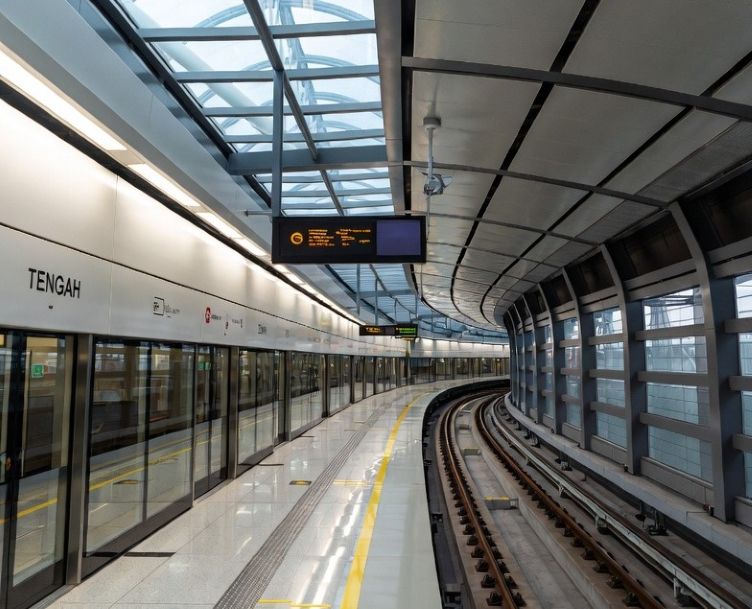
Singapore has consistently ranked among the world’s most liveable cities, thanks to its careful urban planning and commitment to sustainability. The development of Tengah Garden Residences is a prime example of how housing projects are designed to serve more than just financial or real estate goals. They are built to strengthen social bonds, encourage sustainable living, and support the nation’s economic transformation.
The Tengah Garden Residences Launch highlights how location and design can influence community well-being. Situated within Singapore’s newest town, Tengah, the residences are part of a larger vision to create a green, connected, and inclusive urban environment. This is not just about building homes, but about shaping a lifestyle that aligns with the country’s long-term growth strategy.
Urban Planning and the Social Fabric
Urban planning in Singapore has always been about more than infrastructure. It is about creating spaces where people can thrive together. Tengah Garden Residences sits within a town designed with green corridors, community hubs, and mixed-use developments. These features encourage residents to interact, share resources, and build stronger social ties. When people feel connected to their community, societal resilience grows, and economic participation becomes more inclusive.
Community spaces, such as parks and recreational areas, are not just amenities. They are vital to mental health, family bonding, and neighborhood identity. By embedding these elements into the design, Tengah Garden Residences ensures that residents enjoy a balanced lifestyle that supports both personal well-being and collective growth.
Accessibility and Economic Participation
Location plays a crucial role in how people engage with the economy. Tengah Garden Residences benefits from excellent connectivity, with planned MRT stations and road networks linking residents to key employment hubs. This accessibility reduces commuting stress and opens opportunities for more people to participate in Singapore’s dynamic economy.
When housing developments are well-connected, they empower residents to pursue careers, education, and entrepreneurship without being limited by geography. This strengthens the workforce and ensures that economic growth is shared across different communities. Accessibility is not just about convenience, it is about enabling participation in the nation’s progress.
Sustainability and Community Well-Being
Sustainability is at the heart of Tengah’s design. The town is envisioned as Singapore’s first “forest town,” with eco-friendly features such as smart energy systems, car-free zones, and extensive greenery. Tengah Garden Residences integrates these principles, offering residents a healthier environment and reducing the ecological footprint of urban living.
Green corridors and eco-friendly infrastructure encourage walking, cycling, and outdoor activities. This promotes healthier lifestyles while reducing reliance on cars. Sustainable housing also lowers utility costs, making living more affordable in the long run. By aligning environmental goals with social needs, Tengah Garden Residences demonstrates how sustainability directly benefits community well-being.
READ ALSO: The Relationship Between Economic Growth and Social Development
Inclusive Urban Growth
Singapore’s economic transformation depends on inclusive growth, and housing developments like Tengah Garden Residences play a crucial role. By offering diverse housing options and integrating community facilities, the project ensures that people from different backgrounds can live, work, and grow together. Inclusivity strengthens social cohesion, which in turn supports stability and long-term prosperity.
Mixed-use developments, where residential, commercial, and recreational spaces coexist, create vibrant neighborhoods. They reduce the need for long commutes and encourage local businesses to flourish. This model of urban growth ensures that economic benefits are distributed more evenly across society.
Conclusion
Tengah Garden Residences is more than a housing project. It is a cornerstone of Singapore’s vision for a sustainable, inclusive, and resilient future. By combining thoughtful urban planning, strong connectivity, and eco-friendly design, it anchors societal well-being in the midst of economic transformation. As Singapore continues to grow, developments like Tengah Garden Residences will remain vital in ensuring that progress is shared across communities and generations.
The success of the Tengah Garden Residences Launch shows how housing can be a powerful tool for shaping society. It is a reminder that economic growth and social resilience are deeply connected, and that the future of Singapore lies in building communities that thrive together.